Professional DTF printers and specifications
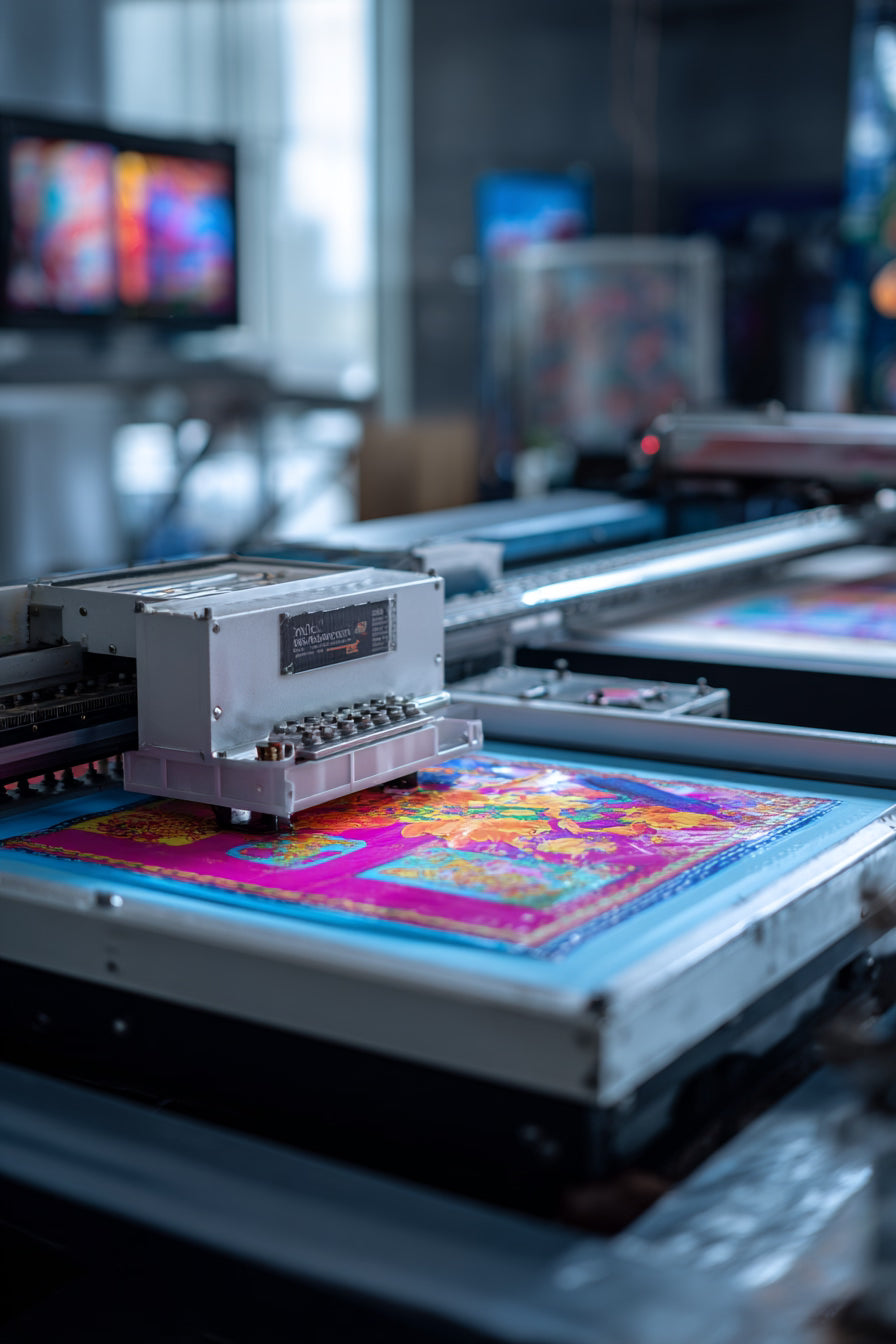
DTF printing demands specialized printers designed to handle the unique requirements of direct-to-film technology. Modified inkjet printers, typically based on Epson EcoTank or similar models, serve as the foundation for most DTF setups. These printers require specific modifications including specialized print heads capable of handling DTF inks and maintaining consistent flow rates.
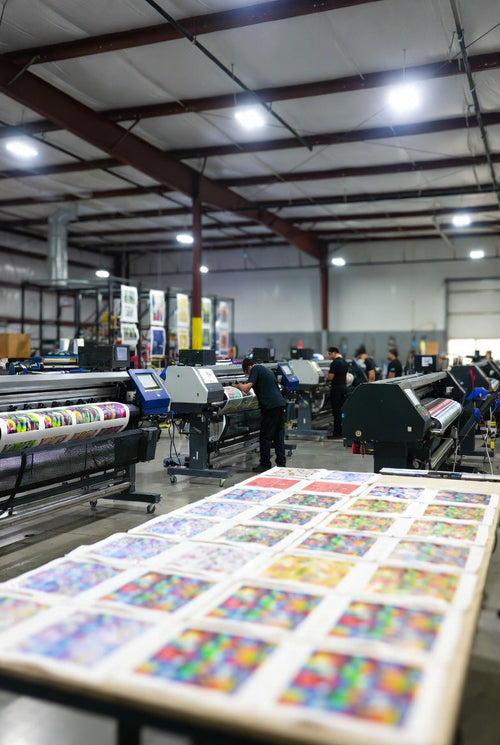
Key specifications to look for include print resolution of at least 1440 dpi for sharp detail reproduction, multiple ink channels supporting CMYK plus white ink systems, and robust construction capable of continuous operation. Print width options range from desktop A4 models to wide-format 24-inch systems, with larger formats enabling higher production volumes and cost efficiency for commercial operations.
Temperature control becomes critical, as DTF inks perform optimally within specific temperature ranges. Many professional DTF printers include heated platens or environmental controls to maintain consistent ink viscosity and flow characteristics.
High-quality DTF films and their properties
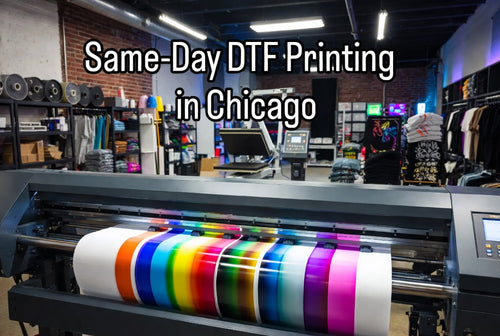
DTF films serve as the transfer medium, making their quality absolutely essential for successful prints. Premium films feature specialized coatings that accept DTF inks while maintaining dimensional stability during the printing and curing process.
The film thickness typically ranges from 0.75 to 1.0 mil, balancing flexibility with durability. Quality films exhibit excellent ink adhesion properties, preventing ink bleeding or smudging during printing. Transparency levels vary, with most films offering slight translucency that allows for registration and quality control during printing.
Storage requirements include maintaining films in controlled temperature and humidity environments, as excessive moisture can compromise adhesion properties. Roll widths should match printer capabilities, with common sizes including 13", 17", and 24" widths.
Specialized inks for vibrant color reproduction
DTF inks represent a specialized formulation designed specifically for direct-to-film applications. These water-based inks contain unique additives that promote adhesion to both the transfer film and the final substrate after heat application.
White ink plays a particularly crucial role in DTF printing, serving as both a base layer for vibrant colors on dark substrates and as a final layer to enhance opacity. White ink requires frequent agitation during printing to prevent settling and maintain consistent coverage.
Color inks must demonstrate excellent wash fastness, maintaining vibrancy through repeated laundering cycles. UV resistance prevents fading from sun exposure, while the ink formulation must remain flexible after curing to prevent cracking on fabric substrates.
Storage considerations include temperature control and regular agitation systems for white inks. Shelf life typically ranges from 12-24 months when stored properly, with opened bottles requiring use within shorter timeframes to maintain optimal performance.
Heat press requirements for perfect transfers
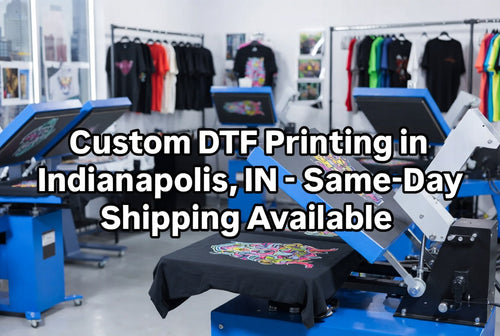
Heat press specifications directly impact transfer quality and durability. Commercial-grade heat presses with even temperature distribution across the entire platen surface prevent hot spots that can cause uneven adhesion or film burning.
Temperature accuracy within ±5°F becomes essential, as DTF transfers require precise temperature control typically ranging from 300-320°F. Pressure settings must be adjustable and consistent, with most DTF applications requiring moderate to firm pressure for proper adhesion without damaging delicate films.
Platen size should accommodate your typical job sizes, with larger platens enabling greater production efficiency. Pneumatic or hydraulic systems provide more consistent pressure than manual lever systems, particularly important for commercial operations requiring repeatable results across multiple transfers.
Timer functions with both audible and visual alerts prevent over-pressing, while Teflon sheets or parchment paper protect both the heat press and the transfer during application.